X
Our staff will contact you within 12 hours, You can also contact us through the following ways:
Contact US WhatsApp: +86 18263873187
- Email: [email protected]
- Tel: +86 18263873187
- Web: www.lifting-chain.com


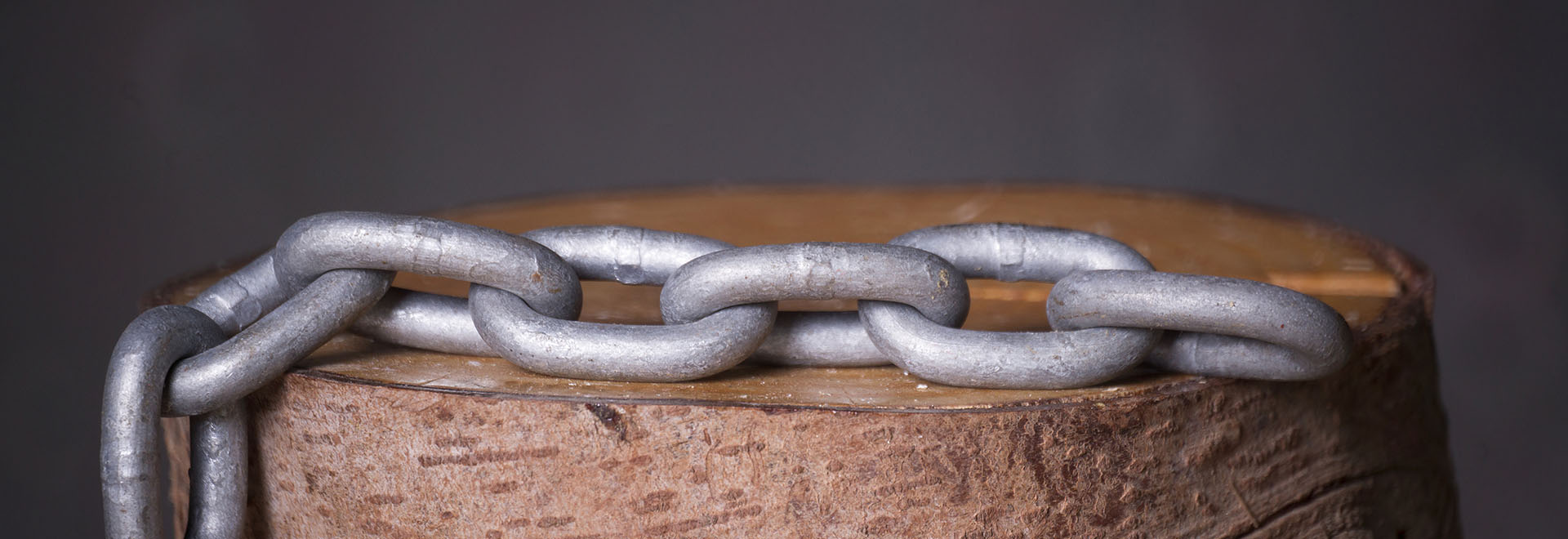
Lashing Chain: The Complete Guide to Securing Cargo on Ships and Containers
In the world of maritime transport and cargo operations, the safety and security of cargo is absolutely critical. Improper cargo securing can result in shifting loads, equipment damage, and potentially catastrophic consequences at sea. The lashing chain is one of the most important pieces of equipment in maritime operations, serving as the primary means of securing cargo on ships, containers, and RoRo vessels.
This comprehensive guide explores everything you need to know about lashing chains, from understanding their specifications to selecting the right chain for your specific cargo securing needs.
Introduction to Lashing Chains
What Makes Lashing Chains Different?
Lashing chains differ from standard industrial chains in several critical ways:
Maritime-Grade Construction: Lashing chains are engineered specifically for maritime environments, with materials and designs that can withstand saltwater exposure, extreme weather, and continuous stress from cargo movement.
DNV GL Certification: Most professional lashing chains are DNV GL certified, meaning they meet strict international maritime standards and are approved for use on certified ships worldwide.
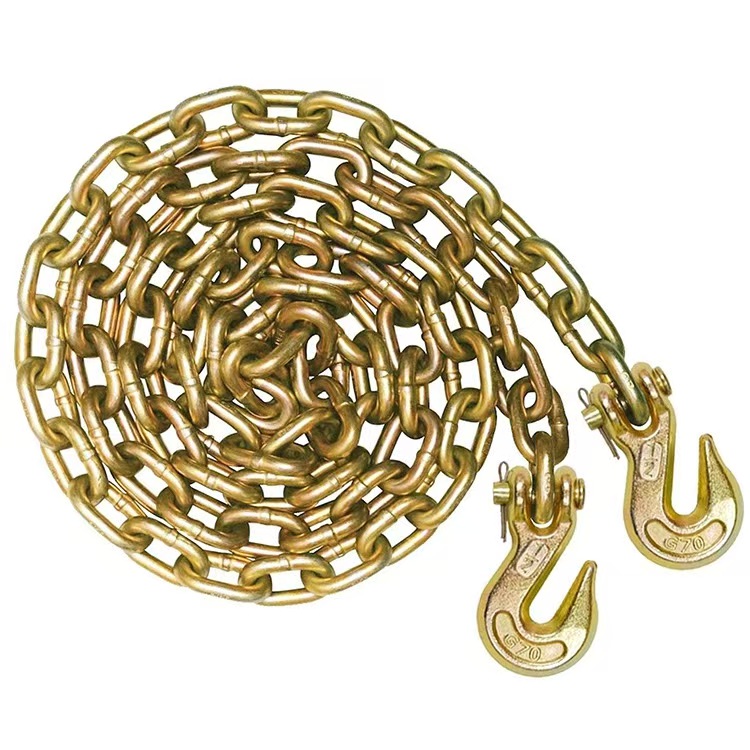
Robust Terminal Configurations: Lashing chains feature robust hooks, shackles, and other attachment points designed for quick and secure connection to cargo and ship structures.
Corrosion Resistance: Galvanized or powder-coated surfaces protect the chain from rust and corrosion, extending service life in harsh marine environments.
Precise Strength Specifications: Every lashing chain has clearly defined working load limits and breaking strengths, ensuring operators know exactly how much load the chain can safely handle.
Understanding Lashing Chain Specifications
To select and use lashing chains effectively, it's essential to understand their technical specifications.
Chain Diameter and Size
Lashing chains are available in three standard maritime diameters:
9mm Diameter: Suitable for light to medium cargo securing, with a working load limit of 5 tonnes (50 kN) and breaking strength of 10 tonnes (100 kN). This size is commonly used for general cargo and lighter containers.
11mm Diameter: Ideal for medium to heavy cargo, offering a working load limit of 7.5 tonnes (75 kN) and breaking strength of 15 tonnes (150 kN). This is a popular choice for standard container operations.
13mm Diameter: Designed for heavy cargo securing, with a working load limit of 10 tonnes (100 kN) and breaking strength of 20 tonnes (200 kN). This size is used for the most demanding cargo securing applications.
Working Load Limit vs. Breaking Strength
Two critical measurements define lashing chain strength:
Working Load Limit (WLL): This is the maximum safe load the chain can handle under normal operating conditions. The WLL is typically half of the breaking strength and represents the load limit you should never exceed during normal operations.
Breaking Strength: This is the maximum force required to break the chain completely. While this number is important for understanding chain durability, you should never intentionally load a chain to its breaking strength.
Available Lengths
Lashing chains are available in standard lengths from 3 meters to 10 meters, with the most common lengths being 6 and 8 meters. Variable length adjustment is possible when using the chain with a tension lever, allowing operators to secure cargo of different sizes with a single chain.
Weight Considerations
Chain weight is important for installation and handling:
9mm chains: 0.32 kg per meter
11mm chains: 0.48 kg per meter
13mm chains: 0.71 kg per meter
Understanding chain weight helps in calculating total load and ensuring proper handling during installation.
Terminal Configurations and Attachment Options
Lashing chains come in various terminal configurations, each designed for specific applications:
Standard Terminal Types
LC-00 (No Terminals): Plain chain without any terminals, used when custom attachment points are needed or for specialized applications.
LC-01 (One Hook): Chain with a single hook on one end, useful for applications where only one attachment point is needed.
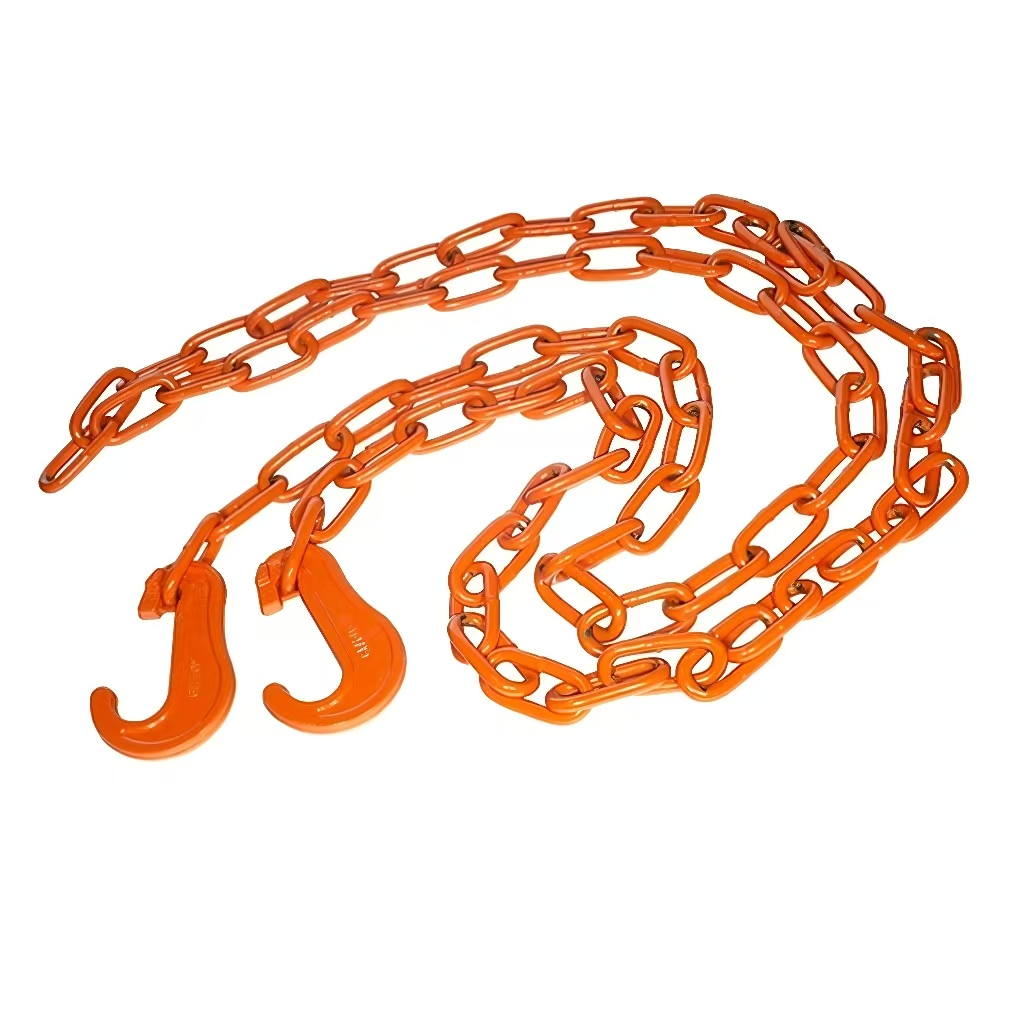
LC-11 (Two Hooks): The most common configuration, featuring hooks on both ends for easy attachment to cargo and ship structures. This is the standard for most maritime cargo securing.
LC-12 (Hook and Elephant Foot): Combines a hook on one end with an elephant foot (a flat, wide attachment point) on the other, offering versatility for different securing scenarios.
LC-13 (Hook and Securing Pad): Features a hook and a specialized securing pad for applications requiring a broader contact area.
LC-14 (Hook and Shackle): Combines a hook with a shackle, providing flexibility for connecting to various attachment points.
LC-112 (Welded Hook and Elephant Foot): Features permanently welded attachment points for maximum strength and durability in demanding applications.
LC-44 (Two Shackles): Plain chain with shackles on both ends, useful for connecting to multiple attachment points or for use with tension levers.
Custom Configurations
Beyond standard configurations, custom terminal arrangements are available to meet specific operational requirements. These might include specialized hooks, reinforced attachment points, or unique combinations designed for particular cargo types or vessel configurations.
DNV GL Certification and Maritime Standards
One of the most important aspects of professional lashing chains is DNV GL certification. DNV GL is a globally recognized classification society that has been certifying maritime equipment since 1864.
What DNV GL Certification Means
DNV GL certification indicates that the lashing chain has been tested and verified to meet strict international maritime standards. This certification is required for use on DNV GL classified ships and is recognized worldwide as a mark of quality and reliability.
Testing and Verification
To achieve DNV GL certification, lashing chains undergo rigorous testing including:
Tensile strength testing to verify breaking strength specifications
Proof loading to ensure the chain can handle specified loads
Corrosion resistance testing to verify durability in marine environments
Dimensional verification to ensure precise manufacturing
Regulatory Compliance
DNV GL certified lashing chains comply with:
International Maritime Organization (IMO) standards
International Standards Organization (ISO) specifications
National maritime regulations of various countries
Container Lashing Manual (CLM) requirements
Selecting the Right Lashing Chain for Your Needs
Choosing the correct lashing chain for your specific application is critical for safety and operational efficiency.
Step 1: Calculate Your Load Requirements
Begin by determining the total weight of cargo you need to secure. This includes:
The weight of the cargo itself
Any packaging or containers
Additional equipment or fixtures
Dynamic loads from acceleration, braking, and vessel movement
Step 2: Apply Safety Factors
Never use a lashing chain at its working load limit. Instead, apply a safety factor:
Minimum Safety Factor: 2:1 (use a chain with WLL at least twice your calculated load)
Recommended Safety Factor: 3:1 to 4:1 (use a chain with WLL three to four times your calculated load)
Extreme Conditions: 5:1 or higher for rough seas or uncertain conditions
For example, if your cargo weighs 3 tonnes, you should select a chain with a WLL of at least 6 tonnes (2:1 safety factor) or preferably 9-12 tonnes (3:1 to 4:1 safety factor).
Step 3: Consider Environmental Factors
Evaluate the conditions your lashing chain will encounter:
Weather Conditions: Rough seas, high winds, and extreme temperatures affect chain performance. More severe conditions warrant heavier chains with greater safety margins.
Cargo Type: Different cargo types (containers, vehicles, equipment) may require specific terminal configurations or attachment methods.
Voyage Duration: Longer voyages expose chains to more stress and environmental factors, potentially warranting heavier chains or more frequent inspection.
Vessel Type: Different vessel types (container ships, RoRo vessels, general cargo ships) have different securing requirements and attachment point configurations.
Step 4: Verify Certification Requirements
Ensure your selected lashing chain meets all applicable regulations:
DNV GL certification for use on certified vessels
Compliance with IMO standards
Adherence to national maritime regulations
Compatibility with your vessel's securing systems
Step 5: Consider Maintenance Requirements
Different lashing chains have different maintenance demands:
Galvanized chains require less frequent maintenance than uncoated chains
Powder-coated chains may need periodic touch-ups
All chains benefit from regular cleaning and inspection
Installation and Securing Procedures
Proper installation and securing techniques are essential for effective cargo lashing.
Pre-Installation Inspection
Before installing a lashing chain, conduct a thorough inspection:
Visual Inspection: Check for any visible damage, cracks, corrosion, or deformation
Certification Verification: Confirm DNV GL certification and verify the chain meets your load requirements
Terminal Inspection: Ensure hooks, shackles, and other terminals are intact and properly formed
Length Verification: Confirm the chain length is appropriate for your cargo
Installation Process
Follow these steps for proper installation:
Prepare Attachment Points: Identify and verify all cargo and ship attachment points are secure and rated for the load
Position Chain: Carefully position the chain to secure the cargo, ensuring it doesn't cross sharp edges or corners
Attach Terminals: Securely attach chain terminals to cargo and ship structures using appropriate methods
Apply Tension: Use a tension lever to apply proper tension to the chain, ensuring the cargo cannot shift
Verify Security: Confirm the cargo is completely secure and cannot move under any circumstances
Document: Record the securing method, chain size, and tension applied
Tension Application
Proper tension is critical for effective cargo securing:
Insufficient Tension: If the chain is too loose, cargo can shift, potentially causing damage or dangerous situations.
Excessive Tension: If the chain is too tight, it can damage the chain, cargo, or attachment points.
Optimal Tension: The chain should be tight enough to prevent any cargo movement, but not so tight as to cause damage. Most securing guidelines recommend tension that prevents visible slack without excessive force.
Maintenance and Care for Lashing Chains
Regular maintenance extends lashing chain life and ensures reliable performance.
Daily Maintenance
Before each use, perform these checks:
Visual inspection for damage, corrosion, or deformation
Verification of hook and terminal integrity
Checking for any signs of wear or previous damage
Ensuring all attachment points are secure
Weekly Maintenance
Conduct these maintenance tasks weekly:
Clean chains to remove salt, debris, and corrosion
Inspect for early signs of rust or corrosion development
Check attachment points for any loosening or damage
Verify proper storage conditions
Monthly Maintenance
Perform detailed maintenance monthly:
Detailed inspection of all links for wear or damage
Measurement of any elongation (should be minimal)
Application of protective coating if corrosion is developing
Replacement of any damaged components
Quarterly Professional Inspection
Have a professional inspect your chains quarterly:
Comprehensive chain condition assessment
Measurement of corrosion depth and extent
Evaluation of remaining service life
Recommendation for replacement if necessary
Documentation of inspection results
Protective Measures
Galvanized Chains: Require minimal maintenance but benefit from occasional cleaning
Powder-Coated Chains: May need periodic touch-ups to maintain corrosion protection
Storage: Store chains in dry locations when not in use
Protective Coating: Apply marine-grade protective coating annually
Common Lashing Chain Issues and Solutions
Problem: Corrosion Development
Symptoms: Visible rust or discoloration on chain surface
Causes: Exposure to saltwater and moisture, inadequate protective coating
Solutions:
Clean chain regularly to remove salt and debris
Apply protective coating annually
Store in dry location when not in use
Consider upgrading to powder-coated chains for better protection
Problem: Elongation or Stretching
Symptoms: Chain appears longer, requires more tension to secure cargo
Causes: Overloading, excessive tension, material fatigue
Solutions:
Verify load calculations and reduce loads if necessary
Ensure proper tension application
Replace chain if elongation exceeds acceptable limits
Use heavier chains for demanding applications
Problem: Hook or Terminal Damage
Symptoms: Bent, cracked, or deformed hooks or terminals
Causes: Impact damage, overloading, improper attachment
Solutions:
Inspect attachment points before use
Replace damaged terminals immediately
Use protective padding around sharp edges
Apply proper tension to avoid excessive stress
Problem: Attachment Point Failure
Symptoms: Chain slipping or detaching from cargo or ship
Causes: Inadequate attachment, worn attachment points, improper securing method
Solutions:
Verify attachment points are rated for the load
Use appropriate securing methods for your cargo type
Inspect attachment points regularly
Replace worn or damaged attachment points
Real-World Applications and Best Practices
Container Ship Operations
Container ships use lashing chains extensively to secure containers on deck. Typical operations involve:
Using 13mm chains with 10-tonne WLL for standard containers
Applying multiple chains per container for redundancy
Following Container Lashing Manual (CLM) guidelines
Conducting pre-voyage inspections of all securing equipment
RoRo Vehicle Transport
RoRo (Roll-on/Roll-off) vessels use lashing chains to secure vehicles during transport:
Using 11mm or 13mm chains depending on vehicle weight
Quick attachment and release for efficient loading/unloading
Multiple chains per vehicle for safety
Regular inspection of attachment points on vehicles
Heavy Equipment Transport
Specialized vessels transport heavy industrial equipment using lashing chains:
Using 13mm chains with maximum safety factors
Custom attachment points for specific equipment
Detailed securing plans for each cargo
Professional securing teams for complex operations
Cost Analysis and ROI
Initial Investment
Quality lashing chains represent an upfront investment, but this investment pays dividends through:
Extended Service Life: 5-7 years with proper maintenance vs. 2-3 years for lower-quality chains
Reduced Downtime: Reliable chains minimize unexpected failures
Safety Compliance: Reduces liability and insurance costs
Operational Efficiency: Improves securing speed and cargo throughput
Long-Term Cost Savings
Over a 5-year period, investing in quality lashing chains typically results in:
30-40% reduction in replacement costs
50-60% reduction in maintenance expenses
25-35% improvement in operational uptime
Significant reduction in safety incidents and associated costs
Conclusion and Recommendations
The lashing chain is a critical component of maritime cargo operations, and selecting and maintaining quality chains is essential for safety, efficiency, and cost-effectiveness.
Key Takeaways
Choose Certified Chains: Always use DNV GL certified lashing chains for maritime operations
Apply Proper Safety Factors: Never exceed the working load limit; use 2:1 minimum safety factor
Maintain Regularly: Implement a comprehensive maintenance schedule to extend chain life
Inspect Thoroughly: Conduct regular inspections to identify issues early
Invest in Quality: Premium lashing chains provide superior ROI through extended service life and reduced downtime
Next Steps
If you're currently using lower-quality chains or experiencing frequent failures, consider upgrading to professional-grade DNV GL certified lashing chains. The investment will pay for itself through improved safety, reduced downtime, and lower long-term costs.
Ready to upgrade your cargo securing equipment? Contact our team today for a free consultation on selecting the right lashing chains for your specific maritime operations. Our experts can help you calculate load requirements, select appropriate sizes and configurations, and develop a maintenance plan that maximizes chain performance and longevity.