X
Our staff will contact you within 12 hours, You can also contact us through the following ways:
Contact US WhatsApp: +86 18263873187
- Email: [email protected]
- Tel: +86 18263873187
- Web: www.lifting-chain.com


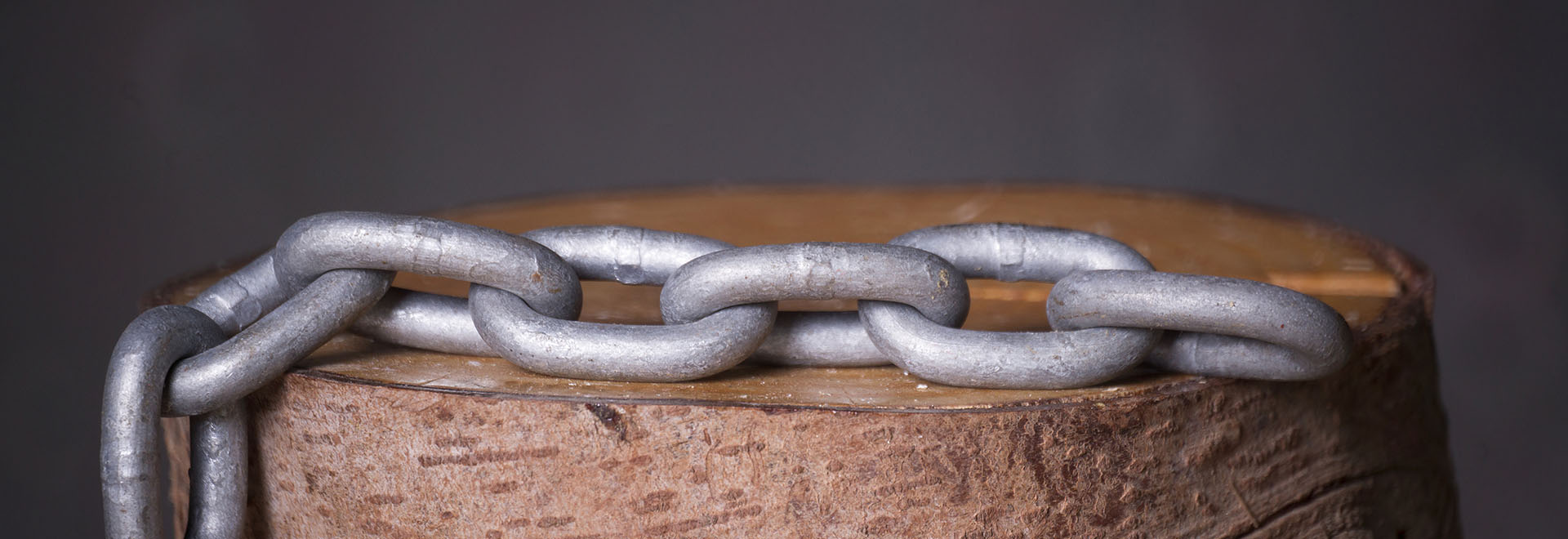
Forestry Series Chains: The Complete Guide to Professional Timber Transport Equipment
In the demanding world of professional forestry and timber operations, the quality of your equipment directly impacts productivity, safety, and profitability. Among the most critical components of any forestry operation are the chains used for transport, skidding, and load securement. Forestry Series chains represent the pinnacle of professional-grade equipment designed specifically for the unique challenges of timber transport and logging operations.
This comprehensive guide explores everything you need to know about Forestry Series chains, from understanding their specifications to selecting the right chain for your specific applications.
Introduction to Forestry Series Chains
Forestry Series chains are specialized chains engineered for the demanding requirements of professional logging and timber transport operations. Unlike general-purpose chains, Forestry Series chains are designed with specific characteristics that address the unique challenges faced by forestry professionals.
What Makes Forestry Series Chains Different?
Forestry Series chains differ from standard industrial chains in several key ways:
High-Strength Construction: Forestry Series chains are manufactured from premium heat-treated steel, providing significantly higher breaking loads and working capacities than standard chains. This is essential when transporting heavy timber loads over challenging terrain.
Precision Engineering: Every link is manufactured to exact specifications, ensuring consistent performance and reliability. This precision is critical in forestry operations where equipment failure can result in dangerous situations and costly downtime.
Durability in Harsh Environments: Forestry operations expose equipment to extreme conditions—moisture, dirt, temperature variations, and physical stress. Forestry Series chains are engineered to withstand these harsh conditions while maintaining their integrity and performance.
Specialized Coatings: Many Forestry Series chains feature specialized corrosion-resistant coatings that protect against the elements and extend service life in outdoor forestry environments.
Professional-Grade Quality: Forestry Series chains undergo rigorous quality testing and certification, ensuring they meet or exceed industry standards for safety and performance.
Understanding Different Types of Forestry Chains
The Forestry Series encompasses several distinct types of chains, each designed for specific applications within timber operations.
Transport Chains
Transport chains are the most common type within the Forestry Series. These chains are specifically designed for securing and transporting timber loads on trucks and trailers. Transport chains typically feature:
High working load capacity (often Grade 70 or equivalent)
Smooth link design for even load distribution
Excellent resistance to stretching and wear
Compliance with transportation safety regulations
Transport chains are available in sizes ranging from 3mm to 32mm, accommodating loads from light timber bundles to massive log loads. These chains are essential for any forestry operation that moves timber across highways or rough terrain.
Traction Chains
Traction chains provide grip and traction for forestry equipment operating on challenging terrain. These chains are essential for:
Skidders and log loaders operating on muddy or slippery ground
Equipment working on steep slopes or uneven terrain
Vehicles requiring enhanced traction in adverse weather conditions
Traction chains feature specialized link designs that maximize ground contact and grip while maintaining durability under extreme stress. They are particularly valuable in remote forestry operations where terrain conditions can change rapidly.
Choker Chains
Choker chains are used to secure and manipulate individual logs during loading, transport, and unloading operations. These specialized chains typically feature:
Smaller diameter designs for precise control
Quick-connect fittings for rapid deployment
High flexibility for wrapping around logs
Reinforced links to handle shock loads
Choker chains are indispensable for forestry operations that require frequent log handling and repositioning.
Binder Chains
Binder chains are used to secure loads to transport vehicles, preventing shifting or movement during transit. These chains must meet strict transportation regulations and typically feature:
Grade 70 or higher strength ratings
Master links for quick connection and disconnection
Consistent link design for even load distribution
Compliance with DOT and other regulatory standards
Key Specifications and Technical Parameters
Understanding the technical specifications of Forestry Series chains is essential for selecting the right equipment for your operations.
Size and Diameter
Forestry Series chains are available in sizes from 3mm to 32mm, with each size offering different working load capacities:
Small Sizes (3-6mm): Suitable for light timber, bundled materials, and precision applications
Medium Sizes (8-13mm): Ideal for general timber transport and most forestry operations
Large Sizes (16-32mm): Designed for heavy loads, large logs, and extreme-duty applications
Working Load Capacity
The working load capacity indicates the maximum safe load a chain can handle under normal operating conditions. Forestry Series chains range from 55 KG for the smallest sizes to 8,000 KG for the largest sizes.
Important: Always select a chain with a working load capacity at least 4-5 times the expected load to ensure safety and reliability. This safety factor is critical in forestry operations where equipment failure can have serious consequences.
Breaking Load
The breaking load represents the maximum force required to break the chain. For Forestry Series chains, breaking loads range from 3,200 N for small sizes to 1,600,000 N for the largest sizes. Understanding breaking loads helps ensure you select chains with adequate safety margins.
Material Composition
Forestry Series chains are manufactured from high-strength heat-treated steel, typically equivalent to DIN 17200 C50 or similar specifications. This material provides:
Exceptional tensile strength for demanding applications
Resistance to deformation under load
Durability in harsh environmental conditions
Consistent performance across temperature ranges
Weight Per Meter
Chain weight is important for calculating load capacity and installation requirements. Forestry Series chains range from 0.15 KG/meter for small sizes to 18.2 KG/meter for large sizes. Heavier chains typically offer greater strength and durability.
How to Select the Right Forestry Chain
Selecting the correct Forestry Series chain for your specific application is critical for safety, efficiency, and cost-effectiveness.
Step 1: Determine Your Application
First, identify the specific application for which you need the chain:
Transport: Securing loads on trucks or trailers for highway or off-road transport
Skidding: Traction and load movement in forests and challenging terrain
Choking: Securing individual logs for loading and unloading operations
Binding: Load securement during transport to prevent shifting
Step 2: Calculate Load Requirements
Determine the maximum load your chain will need to handle. This includes:
The weight of the timber being transported
Additional equipment and fixtures
Dynamic loads from acceleration, braking, and terrain
Safety Factor: Always apply a safety factor of at least 4-5 to your calculated load when selecting working load capacity. For example, if your maximum load is 2,000 KG, select a chain with a working load capacity of at least 8,000-10,000 KG.
Step 3: Consider Environmental Factors
Evaluate the environmental conditions your chain will encounter:
Temperature Range: Forestry operations often occur in extreme temperatures, from freezing conditions to intense heat
Moisture Exposure: Outdoor conditions require corrosion-resistant coatings and regular maintenance
Terrain: Rough terrain may require specialized chain designs with enhanced durability
Frequency of Use: High-frequency operations require more durable chains and more frequent maintenance
Step 4: Review Regulatory Requirements
Ensure your selected chain meets all applicable regulations:
Transportation Standards: DOT and provincial regulations for load securement
Safety Standards: OSHA and industry-specific safety requirements
Certification: Proof testing and certification requirements for your jurisdiction
Step 5: Evaluate Maintenance Requirements
Consider the maintenance demands of different chain types:
Lubrication Needs: Some chains require more frequent lubrication
Inspection Intervals: Professional-grade chains may require more frequent inspections
Replacement Cycles: Plan for regular replacement based on usage patterns
Installation and Setup Best Practices
Proper installation is critical for safe and reliable operation of Forestry Series chains.
Pre-Installation Inspection
Before installation, conduct a thorough inspection:
Visual Inspection: Check for any visible damage, cracks, or deformation
Measurement Verification: Confirm chain length and link count match your requirements
Documentation Review: Verify certificates and test reports are included
Equipment Compatibility: Ensure compatibility with your specific equipment and sprockets
Installation Process
Follow these steps for proper installation:
Prepare Equipment: Clean and inspect all attachment points and sprockets
Position Chain: Carefully position the chain on the equipment, ensuring proper alignment
Secure Connections: Use appropriate master links and fasteners rated for your load
Adjust Tension: Set proper chain tension according to manufacturer specifications
Test Operation: Run equipment without load to verify proper operation and alignment
Apply Lubrication: Apply appropriate lubricant before full operation
Tension Adjustment
Proper chain tension is critical for performance and safety:
Too Loose: Can cause slipping, uneven wear, and potential failure
Too Tight: Can cause excessive wear, overheating, and premature failure
Optimal Tension: Typically 10-15mm deflection under light pressure
Maintenance and Care for Forestry Chains
Regular maintenance extends chain life and ensures reliable performance in demanding forestry operations.
Daily Maintenance
Perform these checks before each use:
Visual inspection for damage, cracks, or misalignment
Verification of proper chain tension
Listening for unusual noises or grinding sounds
Checking for signs of wear or elongation
Ensuring all connections are secure
Weekly Maintenance
Conduct these maintenance tasks weekly:
Clean chain and surrounding equipment to remove dirt and debris
Check and top up lubrication levels
Inspect connection points and master links for wear
Verify proper operation under light load
Document any issues or concerns
Monthly Maintenance
Perform detailed maintenance monthly:
<!--[if !supportLists]-->• <!--[endif]-->Measure chain elongation (should be <0.5% per 1,000 hours)
<!--[if !supportLists]-->• <!--[endif]-->Inspect for wear patterns or damage to individual links
<!--[if !supportLists]-->• <!--[endif]-->Replace worn sprockets if necessary
<!--[if !supportLists]-->• <!--[endif]-->Deep clean and re-lubricate entire chain
<!--[if !supportLists]-->• <!--[endif]-->Check equipment alignment and adjust if needed
Quarterly Professional Inspection
Have a professional inspect your chains quarterly:
<!--[if !supportLists]-->• <!--[endif]-->Comprehensive chain condition assessment
<!--[if !supportLists]-->• <!--[endif]-->Sprocket wear evaluation and replacement if needed
<!--[if !supportLists]-->• <!--[endif]-->Lubrication system review and optimization
<!--[if !supportLists]-->• <!--[endif]-->Tension and alignment verification
<!--[if !supportLists]-->• <!--[endif]-->Documentation of inspection results
Lubrication Best Practices
Proper lubrication is essential for chain longevity:
<!--[if !supportLists]-->• <!--[endif]-->Lubricant Type: Use ISO VG 46 mineral oil or equivalent
<!--[if !supportLists]-->• <!--[endif]-->Application Frequency: Every 40-50 hours of operation
<!--[if !supportLists]-->• <!--[endif]-->Application Method: Drip lubrication or spray systems work best
<!--[if !supportLists]-->• <!--[endif]-->Quantity: 5-10 ml per meter of chain
<!--[if !supportLists]-->• <!--[endif]-->Recommended Products: Shell Tellus, Mobil DTE, or equivalent
Safety Considerations and Compliance
Safety is paramount in forestry operations where chain failure can have serious consequences.
Load Securement Safety
<!--[if !supportLists]-->• <!--[endif]-->Always use chains with adequate working load capacity
<!--[if !supportLists]-->• <!--[endif]-->Apply proper safety factors (minimum 4:1 ratio)
<!--[if !supportLists]-->• <!--[endif]-->Inspect chains before each use without exception
<!--[if !supportLists]-->• <!--[endif]-->Replace damaged chains immediately without delay
<!--[if !supportLists]-->• <!--[endif]-->Use appropriate attachment points rated for your load
Operator Training
<!--[if !supportLists]-->• <!--[endif]-->Ensure operators understand proper chain handling techniques
<!--[if !supportLists]-->• <!--[endif]-->Provide training on load securement and safety procedures
<!--[if !supportLists]-->• <!--[endif]-->Conduct regular safety refresher courses
<!--[if !supportLists]-->• <!--[endif]-->Document all training activities for compliance
<!--[if !supportLists]-->• <!--[endif]-->Emphasize the importance of pre-operation inspections
Regulatory Compliance
<!--[if !supportLists]-->• <!--[endif]-->Comply with DOT transportation regulations
<!--[if !supportLists]-->• <!--[endif]-->Follow OSHA safety guidelines and standards
<!--[if !supportLists]-->• <!--[endif]-->Maintain proper documentation and certifications
<!--[if !supportLists]-->• <!--[endif]-->Conduct regular safety audits of equipment
<!--[if !supportLists]-->• <!--[endif]-->Keep records of maintenance and inspections
Personal Protective Equipment
<!--[if !supportLists]-->• <!--[endif]-->Wear appropriate PPE when handling chains
<!--[if !supportLists]-->• <!--[endif]-->Use hand protection to prevent cuts and abrasions
<!--[if !supportLists]-->• <!--[endif]-->Wear safety glasses when inspecting chains
<!--[if !supportLists]-->• <!--[endif]-->Use proper lifting techniques to prevent injury
<!--[if !supportLists]-->• <!--[endif]-->Keep first aid supplies readily available
Cost Analysis and ROI for Forestry Operations
Understanding the financial aspects of Forestry Series chains helps justify equipment investments.
Initial Investment
Quality Forestry Series chains represent an upfront investment, but this investment pays dividends through:
<!--[if !supportLists]-->• <!--[endif]-->Extended Service Life: 3-5 years with proper maintenance vs. 1-2 years for lower-quality chains
<!--[if !supportLists]-->• <!--[endif]-->Reduced Downtime: Reliable chains minimize unexpected failures and production loss
<!--[if !supportLists]-->• <!--[endif]-->Safety Compliance: Reduces liability and insurance costs
<!--[if !supportLists]-->• <!--[endif]-->Operational Efficiency: Improves productivity and throughput
Long-Term Cost Savings
Over a 5-year period, investing in quality Forestry Series chains typically results in:
<!--[if !supportLists]-->• <!--[endif]-->30-40% reduction in replacement costs
<!--[if !supportLists]-->• <!--[endif]-->50-60% reduction in maintenance expenses
<!--[if !supportLists]-->• <!--[endif]-->25-35% improvement in operational uptime
<!--[if !supportLists]-->• <!--[endif]-->Significant reduction in safety incidents and associated costs
ROI Calculation Example
For a typical logging operation with 5 pieces of equipment:
<!--[if !supportLists]-->• <!--[endif]-->Initial Investment: $2,500 (5 chains × $500 each)
<!--[if !supportLists]-->• <!--[endif]-->Annual Maintenance: $300
<!--[if !supportLists]-->• <!--[endif]-->5-Year Total Cost: $4,000
<!--[if !supportLists]-->• <!--[endif]-->Replacement Savings: $2,000 (vs. lower-quality alternatives)
<!--[if !supportLists]-->• <!--[endif]-->Downtime Savings: $3,000 (estimated)
<!--[if !supportLists]-->• <!--[endif]-->Net 5-Year Benefit: $5,000+
This demonstrates that investing in quality Forestry Series chains delivers significant financial benefits beyond the initial purchase price.
Real-World Applications and Case Studies
Case Study 1: Large-Scale Timber Transport Operation
Scenario: A commercial logging operation transporting 50+ tons of timber daily across challenging terrain and highways
Challenge: Previous chains were failing every 18 months, causing frequent downtime and safety concerns
Solution: Upgraded to Forestry Series Grade 70 transport chains (20mm and 25mm sizes)
Results:
<!--[if !supportLists]-->• <!--[endif]-->Chain service life extended to 4 years (more than double)
<!--[if !supportLists]-->• <!--[endif]-->Downtime reduced by 65%
<!--[if !supportLists]-->• <!--[endif]-->Safety incidents eliminated
<!--[if !supportLists]-->• <!--[endif]-->Annual cost savings: $8,000
Case Study 2: Remote Forestry Operation
Scenario: Operating in a remote location with limited access to replacement parts and maintenance services
Challenge: Need for highly reliable chains that could operate with minimal maintenance and support
Solution: Implemented Forestry Series professional-grade chains with extended service intervals
Results:
<!--[if !supportLists]-->• <!--[endif]-->Maintenance intervals extended from 6 months to 12 months
<!--[if !supportLists]-->• <!--[endif]-->Reduced logistics costs by 40%
<!--[if !supportLists]-->• <!--[endif]-->Improved operational reliability to 95% uptime
<!--[if !supportLists]-->• <!--[endif]-->Significant reduction in emergency repairs
Case Study 3: Equipment Fleet Standardization
Scenario: Managing a diverse fleet of forestry equipment with different chain requirements
Challenge: Complex inventory management with multiple chain types and sizes
Solution: Standardized fleet on Forestry Series chains across all equipment
Results:
<!--[if !supportLists]-->• <!--[endif]-->Simplified inventory management and ordering
<!--[if !supportLists]-->• <!--[endif]-->Reduced training requirements for operators
<!--[if !supportLists]-->• <!--[endif]-->Improved maintenance efficiency by 30%
<!--[if !supportLists]-->• <!--[endif]-->Better spare parts management and availability
Troubleshooting Common Forestry Chain Issues
Problem: Excessive Chain Elongation
Symptoms: Chain appears longer, requires frequent tension adjustment
Causes:
<!--[if !supportLists]-->• <!--[endif]-->Inadequate lubrication
<!--[if !supportLists]-->• <!--[endif]-->Overloading beyond working capacity
<!--[if !supportLists]-->• <!--[endif]-->Worn sprockets
<!--[if !supportLists]-->• <!--[endif]-->Operating beyond recommended hours
Solutions:
<!--[if !supportLists]-->• <!--[endif]-->Increase lubrication frequency to every 30-40 hours
<!--[if !supportLists]-->• <!--[endif]-->Verify load calculations and reduce loads if necessary
<!--[if !supportLists]-->• <!--[endif]-->Replace worn sprockets immediately
<!--[if !supportLists]-->• <!--[endif]-->Schedule professional inspection to assess chain condition
Problem: Uneven Wear Patterns
Symptoms: Some links show more wear than others, indicating uneven stress
Causes:
<!--[if !supportLists]-->• <!--[endif]-->Misalignment of equipment
<!--[if !supportLists]-->• <!--[endif]-->Improper chain tension
<!--[if !supportLists]-->• <!--[endif]-->Worn sprockets causing uneven engagement
<!--[if !supportLists]-->• <!--[endif]-->Contaminated lubricant
Solutions:
<!--[if !supportLists]-->• <!--[endif]-->Check equipment alignment and adjust as needed
<!--[if !supportLists]-->• <!--[endif]-->Adjust chain tension to proper specifications
<!--[if !supportLists]-->• <!--[endif]-->Replace sprockets showing wear
<!--[if !supportLists]-->• <!--[endif]-->Change lubricant and clean chain thoroughly
Problem: Noise and Grinding Sounds
Symptoms: Unusual noises during operation indicating potential damage
Causes:
<!--[if !supportLists]-->• <!--[endif]-->Insufficient lubrication
<!--[if !supportLists]-->• <!--[endif]-->Improper tension causing slack
<!--[if !supportLists]-->• <!--[endif]-->Damaged links or joints
<!--[if !supportLists]-->• <!--[endif]-->Worn sprockets
Solutions:
<!--[if !supportLists]-->• <!--[endif]-->Apply lubrication immediately
<!--[if !supportLists]-->• <!--[endif]-->Adjust tension to proper specifications
<!--[if !supportLists]-->• <!--[endif]-->Inspect for damage and replace damaged components
<!--[if !supportLists]-->• <!--[endif]-->Replace worn sprockets
Problem: Chain Slipping
Symptoms: Chain slips on sprockets during operation, reducing effectiveness
Causes:
<!--[if !supportLists]-->• <!--[endif]-->Worn sprockets with reduced engagement
<!--[if !supportLists]-->• <!--[endif]-->Improper tension
<!--[if !supportLists]-->• <!--[endif]-->Incompatible chain and sprocket
<!--[if !supportLists]-->• <!--[endif]-->Overloading beyond capacity
Solutions:
<!--[if !supportLists]-->• <!--[endif]-->Replace sprockets showing wear
<!--[if !supportLists]-->• <!--[endif]-->Adjust tension to proper specifications
<!--[if !supportLists]-->• <!--[endif]-->Verify compatibility of chain and sprocket
<!--[if !supportLists]-->• <!--[endif]-->Reduce loads to within working capacity
Conclusion and Recommendations
Forestry Series chains represent a critical investment in the safety, efficiency, and profitability of professional timber operations. By understanding their specifications, selecting the right chain for your application, and maintaining them properly, you can maximize their lifespan and ensure reliable performance.
Key Takeaways
<!--[if !supportLists]-->11 <!--[endif]-->Choose the Right Chain: Select Forestry Series chains appropriate for your specific application and load requirements
<!--[if !supportLists]-->12 <!--[endif]-->Apply Safety Factors: Always use a 4:1 or greater safety factor when calculating working load capacity
<!--[if !supportLists]-->13 <!--[endif]-->Maintain Regularly: Implement a comprehensive maintenance schedule to extend chain life
<!--[if !supportLists]-->14 <!--[endif]-->Monitor Performance: Conduct regular inspections to identify issues early
<!--[if !supportLists]-->15 <!--[endif]-->Invest in Quality: Premium Forestry Series chains provide superior ROI through extended service life and reduced downtime
Next Steps
If you're currently using lower-quality chains or experiencing frequent failures, consider upgrading to professional-grade Forestry Series chains. The investment will pay for itself through improved safety, reduced downtime, and lower long-term costs.
Ready to upgrade your forestry equipment? Contact our team today for a free consultation on selecting the right Forestry Series chains for your specific operations. Our experts can help you calculate load requirements, select appropriate sizes, and develop a maintenance plan that maximizes chain performance and longevity.