X
Our staff will contact you within 12 hours, You can also contact us through the following ways:
Contact US WhatsApp: +86 18263873187
- Email: [email protected]
- Tel: +86 18263873187
- Web: www.lifting-chain.com


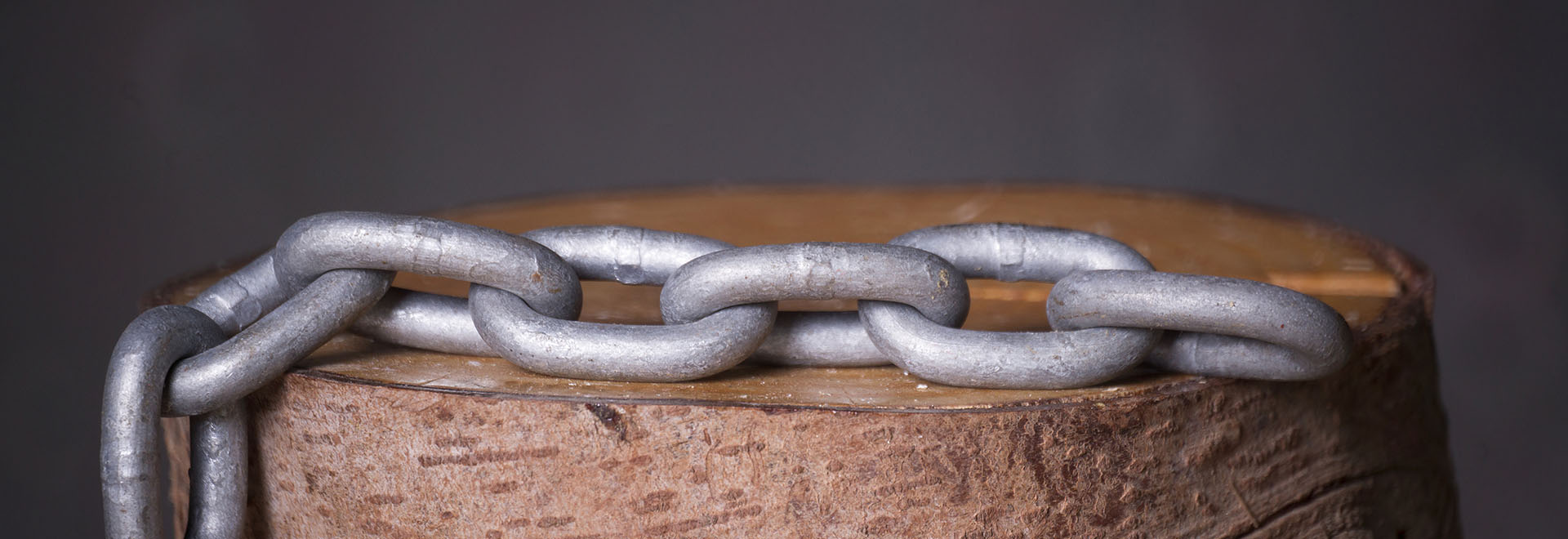
An alloy chain is the foundation of nearly every heavy-duty lifting system used in industrial environments. Engineered from quenched and tempered alloy steel, alloy chains provide exceptional tensile strength, resistance to fatigue, and high performance under extreme working conditions.
Because of these properties, alloy chain is the primary material used to manufacture alloy chain slings, alloy sling chain, and all types of alloy sling and chain assemblies for industrial lifting.
Although this page focuses on alloy chain, it is also structured to satisfy search intent related to chain sling, ensuring strong SEO visibility and relevance.
An alloy chain is a high-strength lifting chain manufactured from alloy steel—usually in Grades G80 or G100. Unlike ordinary industrial chains, alloy chains are specifically engineered for lifting and rigging applications that require strict performance and safety standards.
High tensile and breaking strength
Excellent resistance to wear and abrasion
Superior performance under shock loading
Functionality in extreme temperatures
Full compatibility with chain sling components
This makes alloy chain the preferred material for alloy chain slings and all major lifting applications.
 https://www.lifting-chain.com/products/
When users search for chain sling, they are often looking for a complete lifting assembly. What they may not realize is that the alloy chain is the core structural component that determines sling strength, durability, and safety.
A chain sling cannot exist without a properly engineered alloy chain.
Alloy chain = the load-bearing backbone
Alloy chain slings = the assembled lifting solution
Alloy sling chain = the chain component within the sling system
By optimizing alloy chain quality, we elevate the performance of every chain sling configuration.
Standard lifting grade
Widely used in construction and manufacturing
Strong, reliable, cost-effective
Approximately 25% stronger than G80
Reduces sling weight
Preferred for offshore, heavy construction, and mining
Heat-resistant alloy chain
Corrosion-protected alloy chain
Customized sling chain for extreme industry use
These variants allow alloy chain to meet diverse chain sling requirements.
Alloy chain is used to produce single-leg, double-leg, three-leg, and four-leg alloy chain slings, as well as customized alloy sling and chain solutions.
Construction lifting
Steel fabrication
Mining & excavation
Shipbuilding & offshore structures
Heavy manufacturing
Transport & logistics
Precast concrete handling
In all these industries, alloy chain provides superior load security and long-term durability compared with wire rope or synthetic slings.
Feature | Alloy Chain | Ordinary Chain |
Strength | Extremely high | Low to medium |
Heat Resistance | Excellent | Limited |
Fatigue Resistance | High | Poor |
Suitable for Lifting? | YES (Certified) | NO (Unsafe) |
Certification | EN 818, ISO, CE, TÜV | No lifting certification |
Only alloy chain is legally and safely used for lifting. Ordinary chain is strictly prohibited in rigging.
Alloy chain slings outperform other lifting tools because they offer:
Highest durability among all sling types
Ability to withstand rough surfaces and sharp edges
Shock-load absorption
High operating temperature capability
Adjustable chain sling options for flexible geometry
Replaceable components (hooks, links, chain segments)
This makes alloy chain slings essential for industries requiring absolute reliability.
Google evaluates semantic relevance.
By presenting alloy chain as the material basis of all chain sling products, the page naturally fulfills the informational needs of users searching:
chain sling
alloy chain slings
alloy sling chain
alloy sling and chain
lifting chain systems
Thus, this article matches AND reinforces the chain sling topic, boosting SEO visibility.
Feature | Alloy Chain | Chain Sling |
Definition | High-strength alloy steel chain used as the core load-bearing material | A complete lifting assembly built using alloy chain + hooks + master link |
Function | Provides tensile strength and durability | Performs the actual lifting operation |
Components | Chain links only | Alloy chain, master link, connectors, end hooks |
Certification | Must meet EN 818, ISO, CE/TÜV | Must include chain + sling assembly certification |
Use Case | Manufacturing lifting equipment, rigging systems, chain sling production | Daily lifting tasks in construction, mining, logistics, etc. |
Flexibility | Can be cut, welded, or assembled into various sling configurations | Comes in fixed or adjustable forms (1-leg, 2-leg, 3-leg, 4-leg) |
Strength Role | Backbone of overall lifting capacity | Determines lifting method, geometry, and load control |
Maintenance | Inspect link wear, elongation, corrosion | Inspect hooks, master links, chain, angles, and tag compliance |
Suitability | Not a finished lifting tool by itself | Ready-to-use lifting solution |
➡ Summary:
Alloy chain = the raw strength
Chain sling = the complete lifting tool built from alloy chain
This comparison helps Google relate your alloy chain page to chain sling search intent.
An alloy chain is primarily used for manufacturing lifting equipment such as chain slings, hoist chains, rigging systems, and heavy-duty industrial connectors. Alloy chain provides the high tensile strength required for safe lifting.
No.
An alloy chain is just the chain material, while a chain sling is a complete lifting assembly built from alloy chain plus hooks and master links. A chain sling cannot exist without alloy chain.
Because alloy chain offers:
Superior strength-to-weight ratio
High resistance to heat and abrasion
Ability to handle shock loads
Long service life
These properties make it stronger and more durable than wire rope or synthetic slings.
The most common grades are:Both grades comply with international lifting standards such as EN 818.
5. Can alloy chain be used in high-temperature environments?
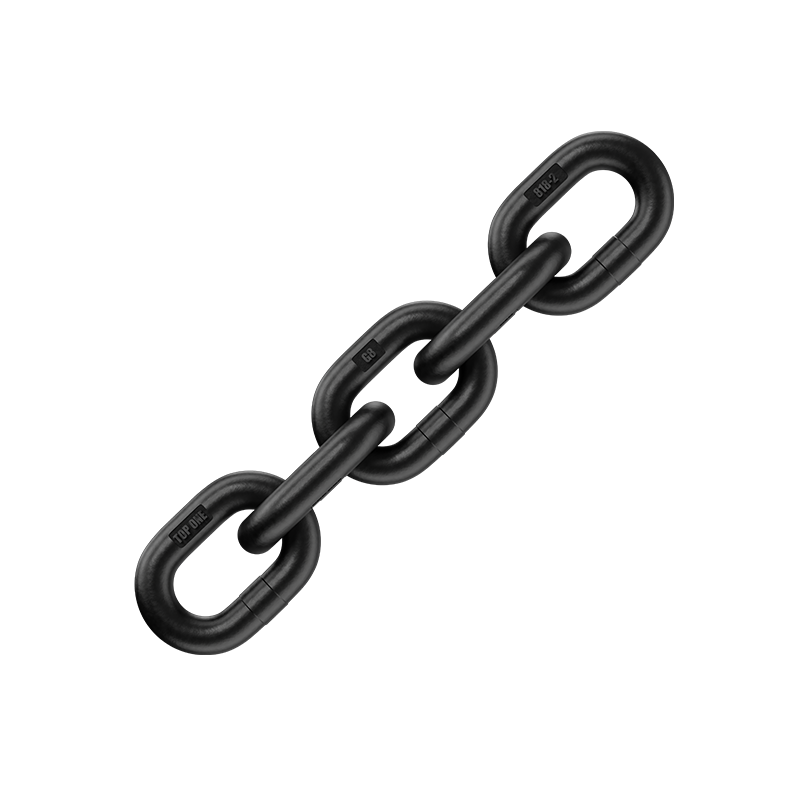
G80 alloy chain – standard industrial lifting
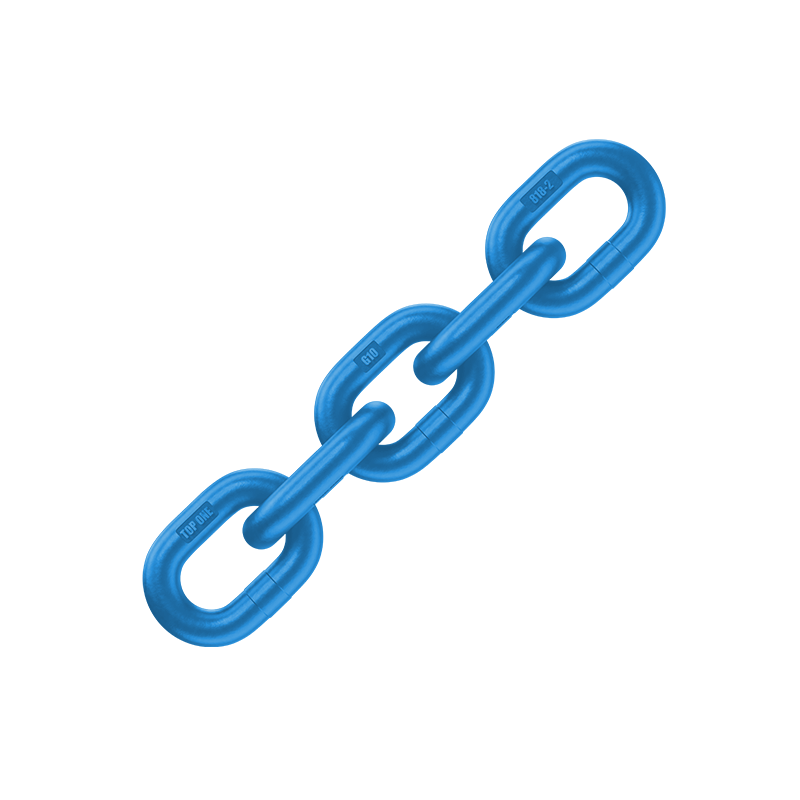
G100 alloy chain – higher capacity and efficiency
Both grades comply with international lifting standards such as EN 818.
Yes. Alloy chain can withstand high temperatures significantly better than synthetic slings. Foundries, steel mills, and hot-work industries rely heavily on alloy chain slings.
Consider:
Required Working Load Limit (WLL)
Chain grade (G80 or G100)
Diameter & lifting geometry
Hook type & sling configuration
Operating environment (heat, chemicals, corrosion)
Yes — only alloy chain that is certified (EN 818 / ISO / CE / TÜV) is approved for overhead lifting. Ordinary chain is prohibited.
Alloy chain slings are widely used in:
Construction
Mining
Offshore and shipbuilding
Logistics and transport
Manufacturing
Precast concrete and steel fabrication
Damaged alloy chain links must not be welded or repaired. If wear exceeds 10% or links are elongated, corroded, or cracked, the chain must be replaced.
TOPONE CHAIN® provides:
G80 & G100 certified alloy chain
Full traceability & test certificates
Advanced heat-treatment technology
Integration with our alloy chain sling systems
Global OEM/ODM capability
TOPONE CHAIN® manufactures both alloy chain AND complete alloy chain slings, ensuring perfect compatibility and traceability.
G80 & G100 alloy sling chain production
Nine automated heat-treatment and calibration lines
CE / TÜV / ISO9001 certified
Custom diameters and sling assemblies
Exported to 40+ countries
Professional OEM/ODM chain sling solutions
Our alloy chain forms the backbone of some of the world’s safest and most reliable lifting chain slings.
An alloy chain is more than a piece of steel—it is the high-strength component that enables safe, efficient, and long-lasting lifting operations.
Because it forms the core of every alloy chain sling, alloy sling chain, and industrial lifting solution, choosing a certified alloy chain is essential for safety and performance.
For high-quality alloy chain engineered for professional chain sling applications, TOPONE CHAIN® is your trusted global partner.